8 Questions You Must Clarify Before Purchasing Aluminum Carabiners
Whether you’re in outdoor gear, pet supplies, clothing accessories, or gift sets, carabiners may only be a component in your product assembly, but they directly impact user experience, functionality, and brand reputation. For procurement, choosing the wrong carabiner can lead to more than just unsatisfactory product performance; it can also result in unstable supply, delayed delivery, and a host of other problems.
As a factory with 23 years of experience specializing in the production of aluminum alloy carabiners and outdoor accessories, we have summarized 8 questions you must consider before placing an order to help you communicate more efficiently with the factory and avoid unnecessary detours.
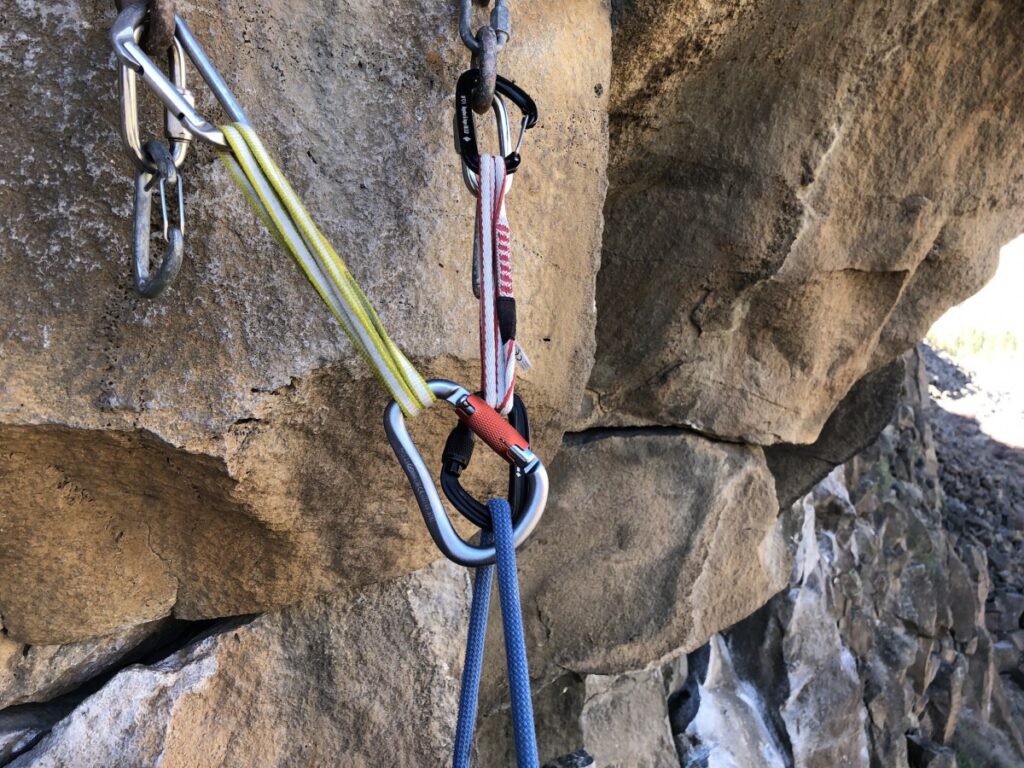
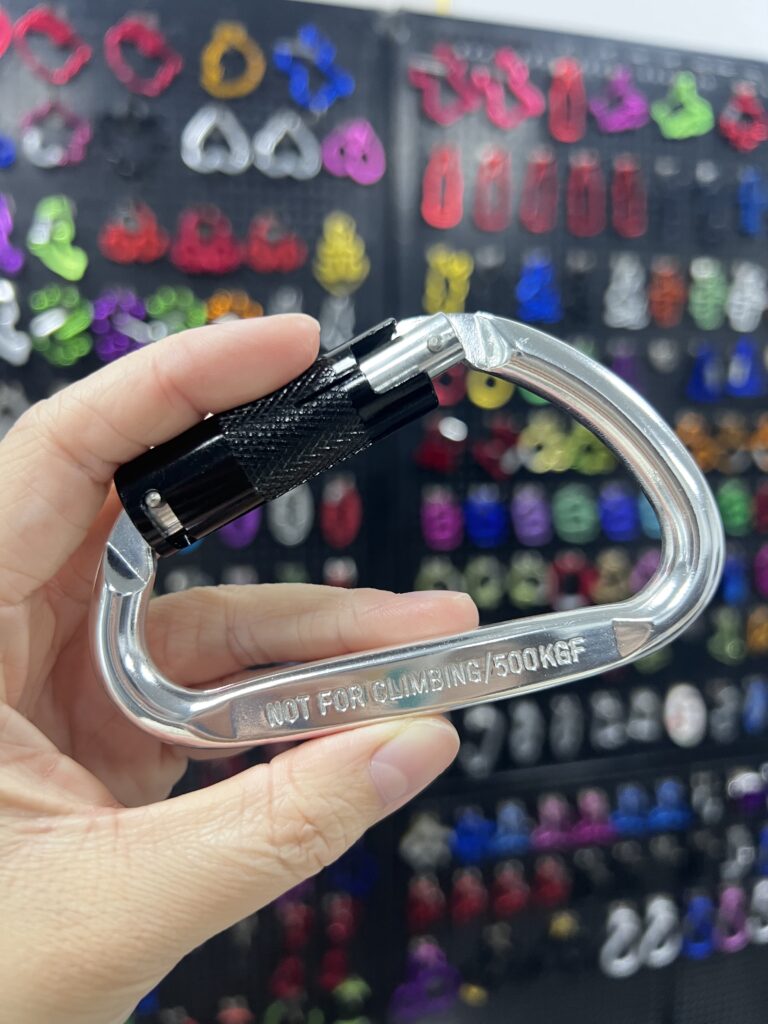
Question 1: Do you really need “climbing-grade” or “non-climbing” carabiners?
Many customers immediately say they need carabiners, but in fact, 80% of application scenarios don’t require climbing-grade safety standards. They are for everyday use such as hanging items, keys, low-tension tool clips, pet clips, backpack accessories, gifts, etc.
If it’s for actual climbing or life-safety applications, you need professional climbing carabiners that have undergone rigorous tensile testing, are marked with KN strength, and comply with relevant standards.
If it’s for keychains, bag charms, pet leashes, gift sets, etc., the focus should be on appearance, color, feel, cost, and durability, not strength.
At Samhe, we produce both 7075 carabiner series with strengths up to 29kN, and a large number of non-climbing aluminum alloy carabiners designed for outdoor EDC, gifts, and everyday use, allowing us to reasonably match cost and performance to your different product lines.
Question 2: Choose 7075 or other aluminum alloys?
Many outdoor and professional brands prioritize 7075 aerospace aluminum because it offers an excellent balance between strength and weight, making it the mainstream material for high-end climbing carabiners.
7075 is suitable for climbing carabiners and high-end equipment accessories that require lightweight, high strength, and a strong brand image. For everyday outdoor use, such as camping activities with low tension requirements, 6061 is sufficient.
We will recommend the appropriate aluminum alloy solution based on your specific needs, rather than just pushing the most expensive option.
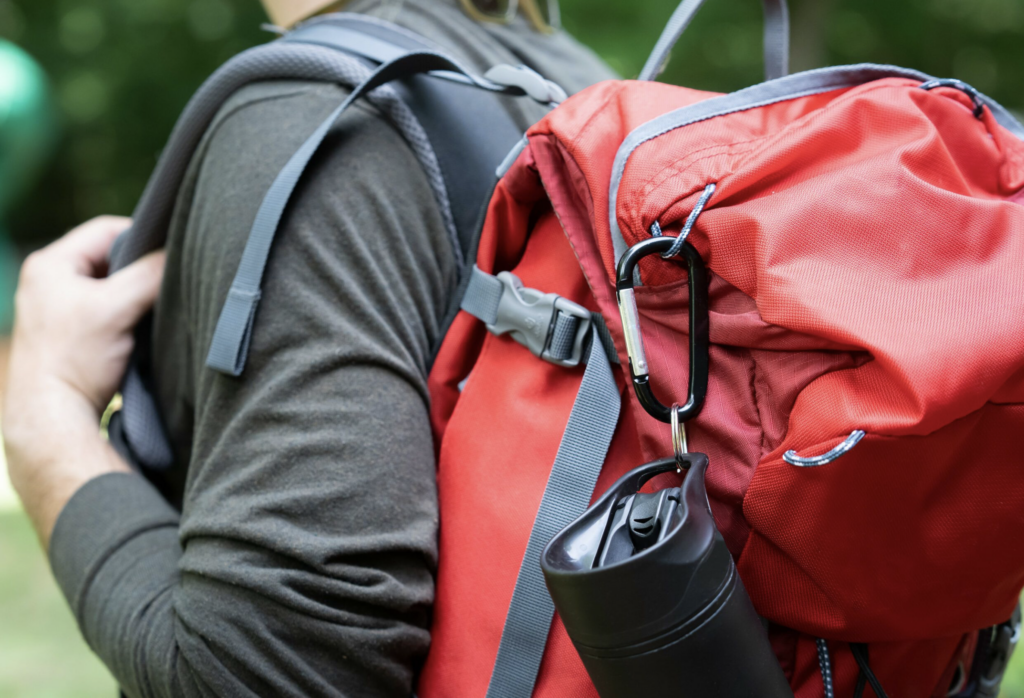
Question 3: What is your estimated actual usage?
Many buyers hesitate when they see the MOQ but from the factory’s perspective, this involves costs such as material waste, raw material procurement, anodizing, and other expenses.
Therefore, for common styles (D-shaped, gourd-shaped, round, square), the minimum order quantity is 1000-2000 pieces.
We will work with you to design a suitable and flexible ordering plan based on your product plan.
Question 4: What surface finish and color do you need?
For most brands, the first thing users see is the color and feel, not the material code.
Surface treatments include: anodizing, spraying/baking paint, electrophoresis, etc.
We will recommend suitable buckles based on customer needs and product direction. For example, if the customer is purchasing buckles for high-end backpack accessories, we would recommend a hand-polished + sandblasted surface treatment. We customize colors based on Pantone color codes or physical samples. If the customer requires very bright and attractive colors, we can also provide baked paint color effects.
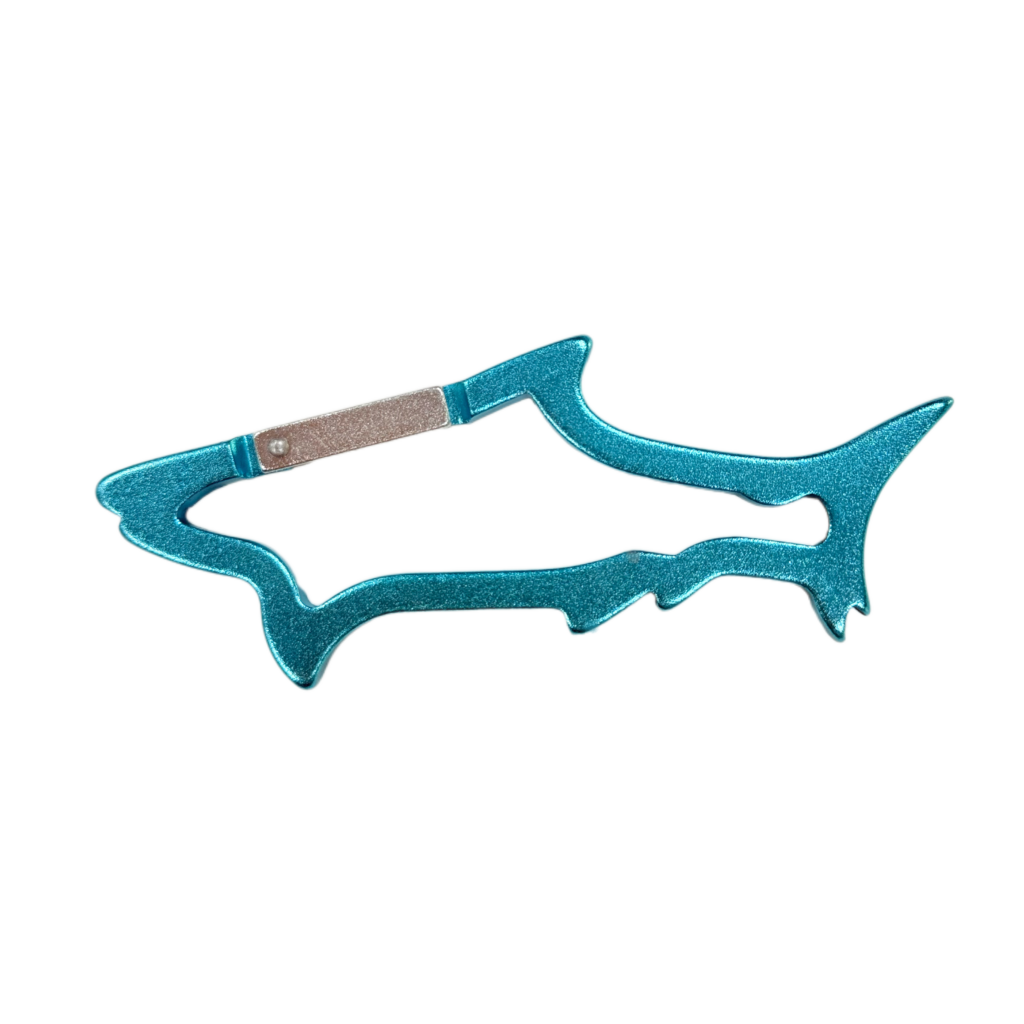
Question 5: What brand image do you want to convey through the carabiner?
Carabiners are not only functional components but also excellent carriers for conveying brand image.
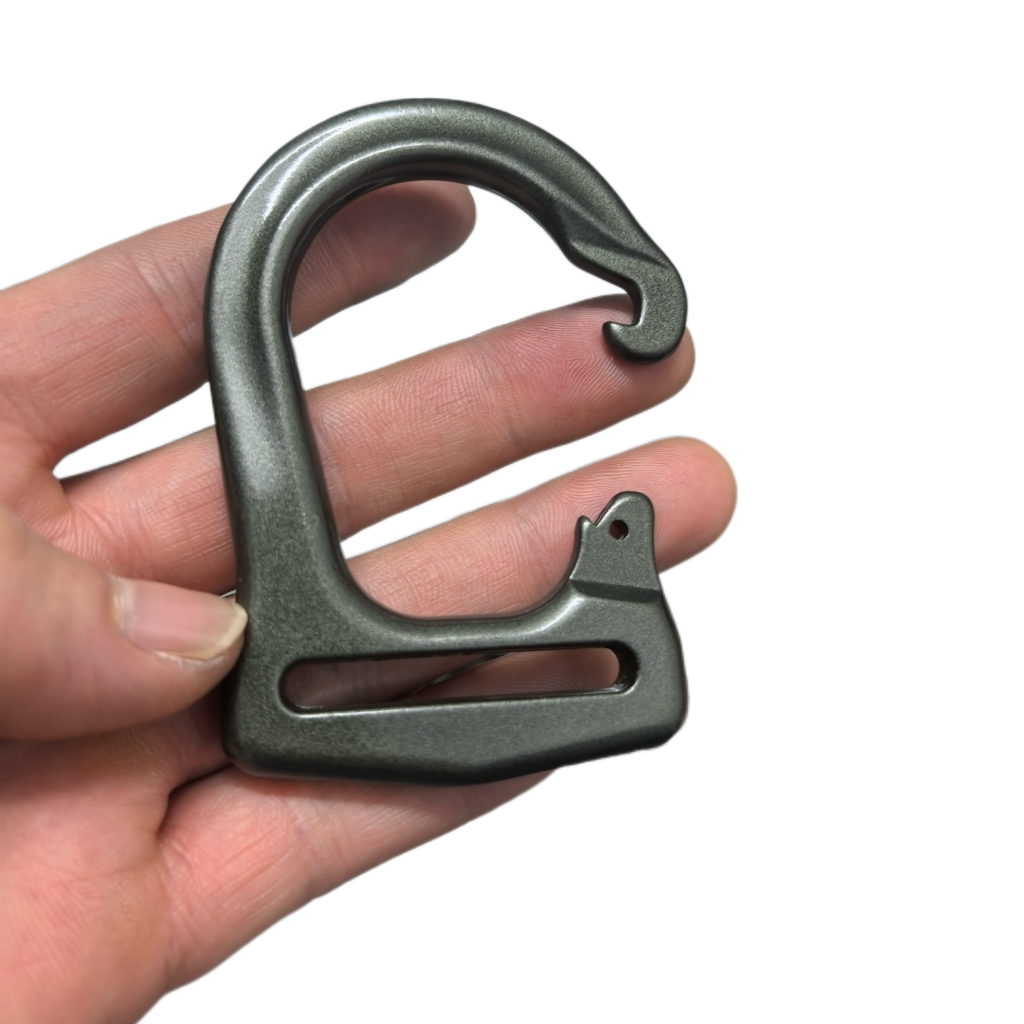
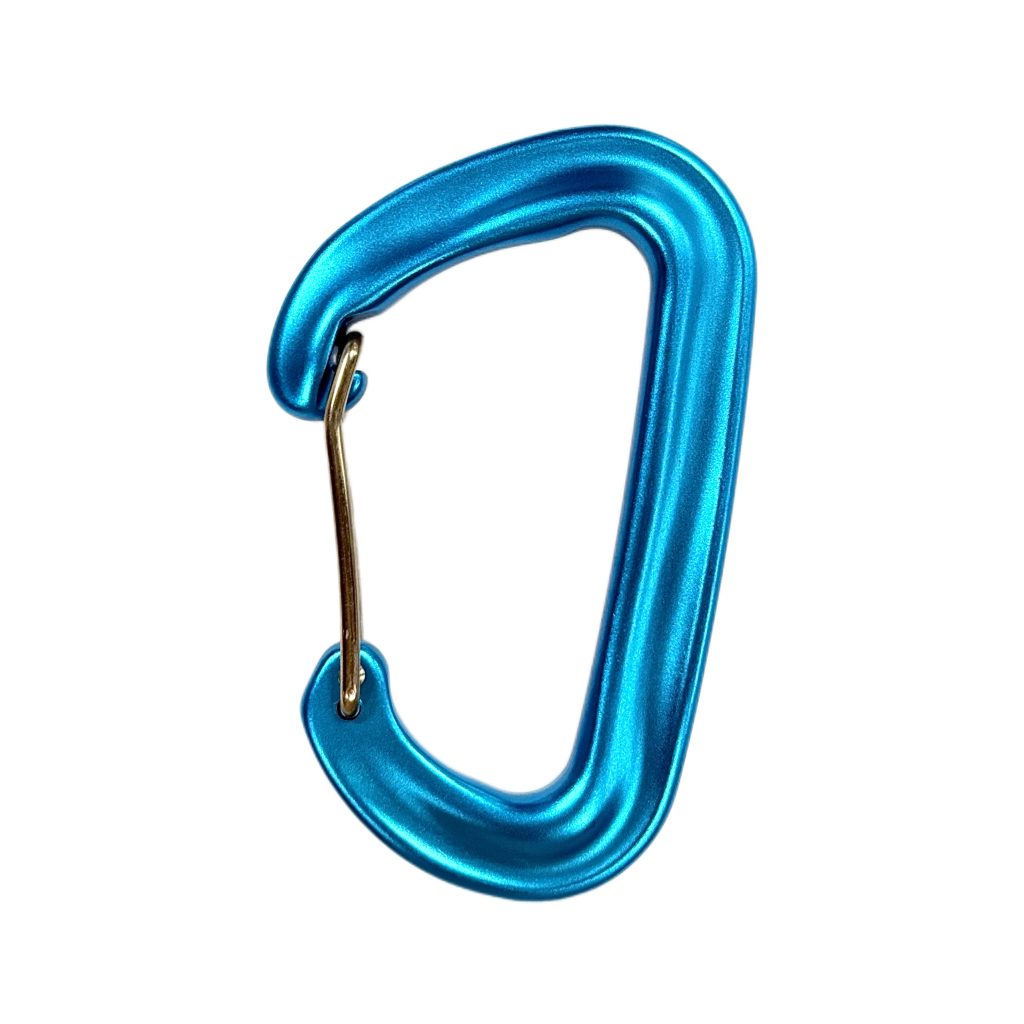
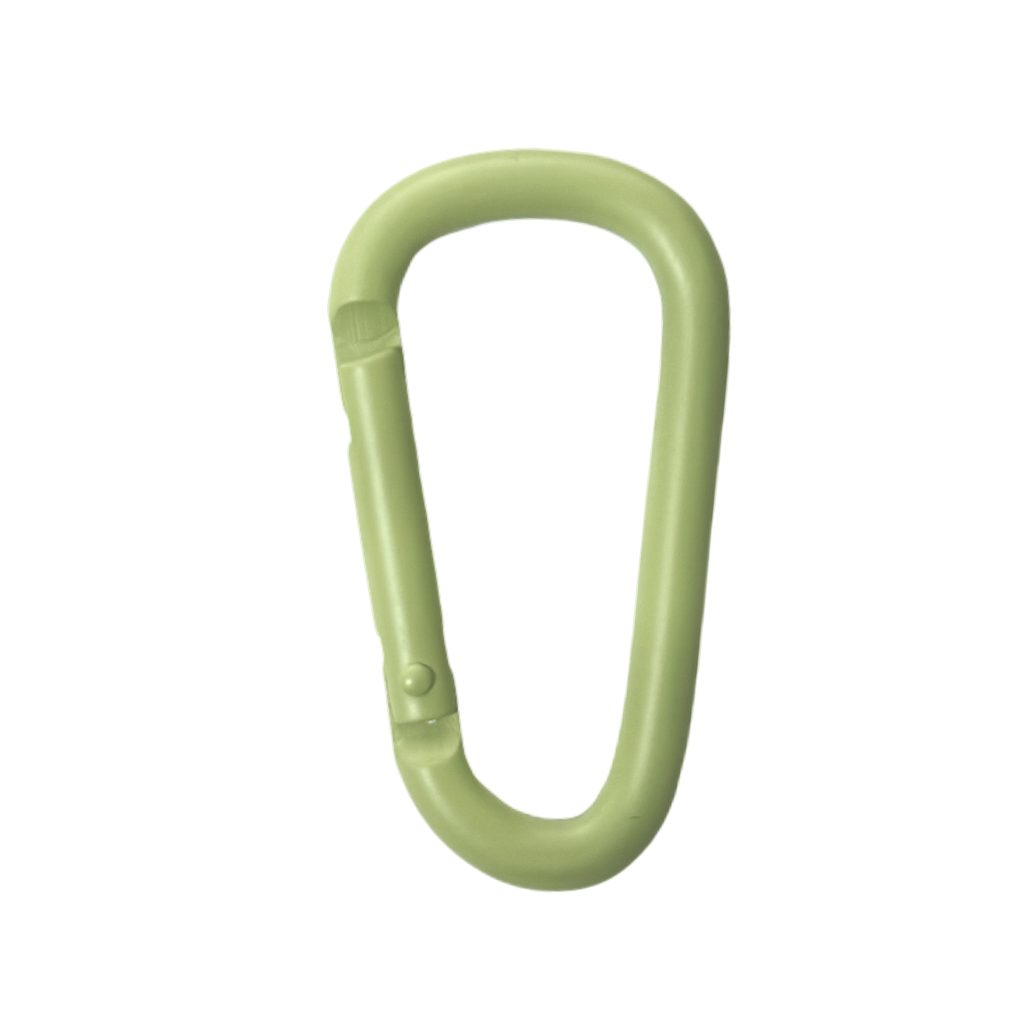
For brands, you can convey your brand philosophy through the shape or logo of the buckle. You can customize the desired carabiner shape according to your needs. You can also customize different LOGO presentation methods, such as laser engraving, screen printing, embossing, etc.
In addition to conventional D-shaped and oval shapes, we have also developed a variety of creative carabiner shapes and sets for our customers, and can cooperate with you on OEM/ODM designs, allowing a small buckle to become a memorable point for your brand.
Click here to see how we print the logo on the carabiner
Question 6: What are your requirements for certification, testing, and quality control?
For climbing and safety-related products, indicators such as tensile strength, fatigue testing, and salt spray testing are particularly crucial. Our climbing carabiners are UIAA certified. Every one of our climbing carabiners undergoes a tensile test to ensure it meets the tensile strength requirements. Our non-climbing buckles also have SGS and ISO9001 certificates. Furthermore, our buckles undergo spring bar calibration and product quality inspection.
As a factory that has been exporting to European and American markets and other countries for a long time, this means that our carabiners meet export standards.
Click here to see our production process in the factory
Question 7: What delivery time do you expect?
For clients dealing with branded, gift, and seasonal products, delivery speed directly impacts inventory and advertising schedules.
Therefore, depending on the product and style, our typical sampling cycle is 7 days, and mass production delivery time is 7-25 days. We have a stable sampling and mass production schedule for our regular carabiner series, and we offer production priority and flexible reordering options for long-term partner brands to help you better manage inventory and new product launches.
Question 8: Can this factory provide professional selection and development advice, instead of just manufacturing according to drawings?
We have an Australian client who specializes in selling outdoor camping equipment. After discussing the general requirements with the client, they provided us with design drawings. We didn’t simply manufacture according to the drawings. Although communicating and negotiating with the client takes more time, we believe that a product needs refinement. Since we have experience in this area, we should provide the client with better options, saving them unnecessary costs and trouble.
After reviewing the client’s new product drawings, we found that the client required 7075 aluminum alloy material and 316 stainless steel for the snap ring. However, this carabiner didn’t require very high tensile strength, and the 316 stainless steel snap ring wasn’t elastic enough. Therefore, based on our years of experience, we suggested that the client choose 6061 aluminum alloy and 304 stainless steel, providing better usability and cost savings.
Therefore, we provide clients with a series of product solutions based on their needs and positioning.
Before officially choosing a carabiner, consider the above 8 questions in conjunction with your product needs. You will find that communication with the factory becomes more efficient, and sampling, ordering, and reordering become smoother.
If you are looking for a stable aluminum alloy carabiner supplier for your outdoor, pet, apparel, or gift product lines, please send your product drawings, estimated quantities, and target market to our team. We can recommend suitable materials, structures, and processes based on your actual needs and provide samples for testing.
Please feel free to contact us via email/WhatsApp info@samhe.com | wa.me/13712945262 to start planning a truly reliable carabiner solution for your next product.